By admin
Understanding the basics of air conditioning is essential for homeowners to ensure comfort and efficiency in their homes. This article explores three fundamental topics that every homeowner should know about their air conditioning systems.
What are the key components of an air conditioning system?
The air conditioning system in your home consists of several primary components working in unison to provide optimal cooling. The compressor, often termed as the system’s heart, is responsible for pressurizing refrigerant and passing it along to the condenser coils. Once the refrigerant reaches the condenser, it is cooled down and transformed from a gas into a liquid. The evaporator coil, typically located inside the home or a duct system, absorbs heat from the air within your home, ensuring that cool air circulates throughout your space effectively. Another critical element, the expansion valve, manages the flow of refrigerant into the evaporator coils, maintaining the system’s efficiency and performance levels.
Understanding these key components is fundamental for diagnosing potential issues when they arise. For instance, a malfunctioning compressor may lead to insufficient cooling, often accompanied by unusual noises or increased energy bills. Homeowners should also be attentive to the heat-exchanging roles of the condenser and evaporator, as blockages or mechanical failures here can impact the cooling effectiveness. Routine inspections and awareness can prevent these components from deteriorating prematurely. Grasping the importance of the compressor, condenser, evaporator, and expansion valve not only aids in troubleshooting but also helps avert minor problems from escalating into costly repairs.
How do I maintain my air conditioning system?
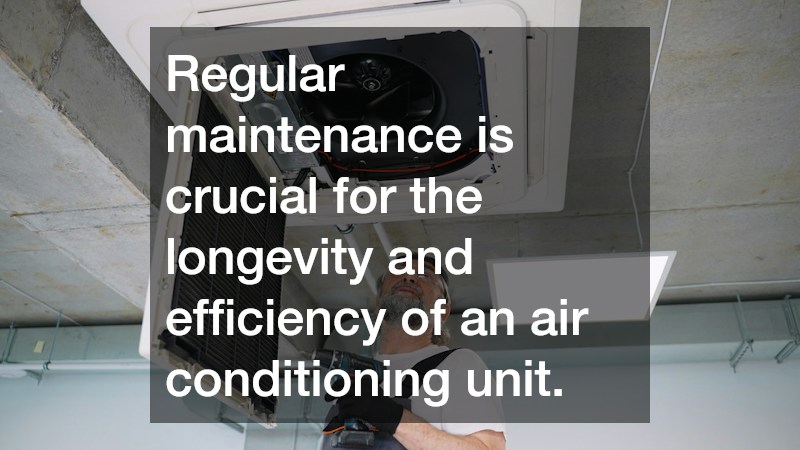
Regular maintenance is crucial for the longevity and efficiency of an air conditioning unit. One of the most straightforward yet effective maintenance tasks involves changing the air filters every few months or as specified by the manufacturer. Dirty or clogged filters can restrict airflow, forcing the system to work harder and thus reducing its efficiency and potentially increasing utility bills. Another crucial task is cleaning the evaporator and condenser coils, as these components tend to accumulate dirt over time, reducing their ability to absorb and release heat effectively. Proper coil cleaning, especially before the cooling season, ensures the smooth operation of the AC system and prevents undue stress on the compressor.
Beyond these routine efforts, scheduling professional inspections at least once a year can help identify underlying issues before they become major problems. Professionals can perform comprehensive checks that include inspecting coolant levels, assessing electrical components, and verifying overall system functionality. These inspections can help pinpoint leaks, detect wear on mechanical parts, and ensure that sensors are functioning correctly. For instance, correcting a refrigerant leak early can prevent the compressor from having to work harder than necessary, thereby circumventing potential failures. Homeowners interested in efficiency might also consider upgrading to modern thermostats or integrating smart home technologies to further optimize system performance.
Finally, maintaining the free flow of air around outdoor units is another crucial aspect of AC maintenance. Homeowners should ensure that the area around the exterior condenser unit is clear of debris, vegetation, and obstructions to allow ample airflow. Additionally, it’s recommended to inspect the ducts periodically for any signs of leaks or blockages, as leaky ducts can seriously diminish the efficiency of a system. Ensuring that vents and grills are not obstructed helps in maintaining consistent airflow and temperature within the living spaces.
What common problems should I look out for?
Air conditioning units can encounter several issues over time that can impede their performance. One of the most common problems homeowners face is refrigerant leaks, which can lead to inadequate cooling and increased energy costs. If left unchecked, these leaks can cause the system to lose refrigerant entirely, potentially damaging the compressor. Another prevalent issue is the presence of strange noises, such as grinding or squealing, which might indicate problems with motor belts, bearings, or electrical components. Addressing these noises early can prevent more extensive damage to the air conditioning system.
Insufficient cooling or uneven temperatures throughout the home are also significant concerns. This condition might result from blocked or leaky ducts, inadequate refrigerant levels, or a malfunctioning thermostat. Regularly checking and maintaining these components can help alleviate issues and restore optimal performance. It’s wise to consult an HVAC professional if you notice persistent problems with your home’s temperature regulation, as they can conduct thorough diagnostics to pinpoint the root cause and recommend appropriate solutions.
By familiarizing yourself with these air conditioning basics, you can ensure your home stays comfortable during the hot months. Understanding the system’s components, maintaining it properly, and being aware of common issues will help you be a more informed homeowner. By taking proactive steps in maintenance and addressing potential issues early, you can extend the life of your AC unit and improve its efficiency. This knowledge not only enhances your ability to respond to any current issues but also equips you to ask pertinent questions during professional consultations. The integration of advanced technologies and regular care ensures your air conditioning system operates optimally, bringing sustained comfort to your home.