 By admin
A sturdy roof is one of the most critical components of any home. Yet, many homeowners neglect the warning signs that indicate their roof may be in trouble until the damage is severe and costly. Early identification of potential problems can save you thousands in repairs and prevent the stress of emergency interventions. Understanding when to act and recognizing subtle indicators is essential for preserving your home’s structural integrity, maintaining energy efficiency, and ensuring the safety of your household.
Roofs face constant exposure to weather, UV rays, and natural wear and tear. Even seemingly minor issues, such as a missing shingle or small leak, can quickly escalate into larger problems, including water damage, mold growth, and compromised insulation. Proactive roof assessment allows you to plan for repairs on your own schedule rather than waiting for a crisis to occur. Being vigilant also helps extend the life of your roofing materials and protects other home systems that rely on a watertight, stable roof. The following guide highlights key signs to watch for, practical inspection tips, and considerations when choosing professional help to address issues efficiently.
Spotting Physical Damage on Your Roof

One of the first signs that a roof may require attention is visible physical damage. Look for cracked, curling, or missing shingles, which are the primary barrier against water infiltration. Even minor imperfections can allow moisture to seep in, leading to rot and structural problems over time. Severe weather events, such as hail, high winds, or heavy snow, can exacerbate existing weaknesses or create entirely new damage that may not be immediately obvious from the ground.
Roof granules, the protective layer on shingles, provide another indicator of wear. When granules accumulate in gutters or at the base of downspouts, it signals that the shingles are losing their durability. Excessive granule loss reduces protection against UV exposure and makes the roof more prone to leaks.
Engaging a professional for a physical assessment is often the safest approach. Experienced local roofers can identify subtle damage that homeowners might overlook, such as lifted shingles or small punctures. Scheduling a check with local roof repair experts ensures minor issues are corrected before they develop into major structural concerns, providing peace of mind and long-term savings.
Detecting Water Damage Inside the Home
Water damage inside your home is a clear sign that your roof may be compromised. Stains on ceilings or walls, peeling paint, or warped surfaces often indicate leaks that need immediate attention. Persistent leaks can lead to mold growth, weakened structural supports, and damage to furniture, flooring, and personal belongings.
Certain areas are more susceptible to leaks, including spaces around chimneys, skylights, and vents. Even small drips can be precursors to larger issues if left unchecked. Roof repair in these cases often requires pinpointing the source of water intrusion and repairing or replacing affected materials.
Routine inspections of attics can reveal early signs of trouble. Damp insulation, dark spots on rafters, or water droplets indicate that the roofing system is failing to keep moisture out. Roofing companies possess specialized tools to detect hidden leaks and can recommend cost-effective repairs before the damage escalates, making professional intervention a smart investment.
Understanding Roof Age and Material Lifespan
Knowing the age of your roof and the expected lifespan of its materials is crucial for timely maintenance. Asphalt shingles generally last 20–25 years, while metal roofing can exceed 50 years if properly maintained. Wood shingles and slate vary widely, often requiring more frequent inspections due to their susceptibility to moisture and decay.
Older roofs are more prone to cracks, leaks, and general deterioration. Even if damage is not immediately visible, age alone warrants a proactive approach to roof repairs. Scheduling an inspection with local roofing contractors helps determine whether your roof can continue functioning effectively or if replacement is a more economical solution.
Material-specific vulnerabilities are also important to consider. Certain roofing types attract algae, moss, or lichen, which can accelerate deterioration. Early identification of these issues allows local roofers to recommend preventive measures and targeted repairs, helping you maintain the integrity of your roof for years to come.
Monitoring Interior Humidity and Mold Growth
High humidity and mold growth inside your home can indicate roof problems even before visible leaks appear. When a roof fails to properly protect against moisture, water can seep into attics and ceilings, creating conditions favorable for mold development.
Mold not only damages structural materials but also poses significant health risks, particularly for individuals with allergies or respiratory conditions. Persistent damp odors, mold spots on walls or ceilings, and condensation in the attic are all warning signs. Timely roof repairs prevent these issues from spreading, safeguarding both the home and its occupants.
Roofing contractors often use moisture detection tools and thermal imaging to locate hidden leaks, even behind walls and under insulation. Local roof repair services provide the expertise needed to address these problems efficiently and restore proper roof function, preventing minor issues from becoming major, costly repairs.
Watching for Sagging or Structural Changes
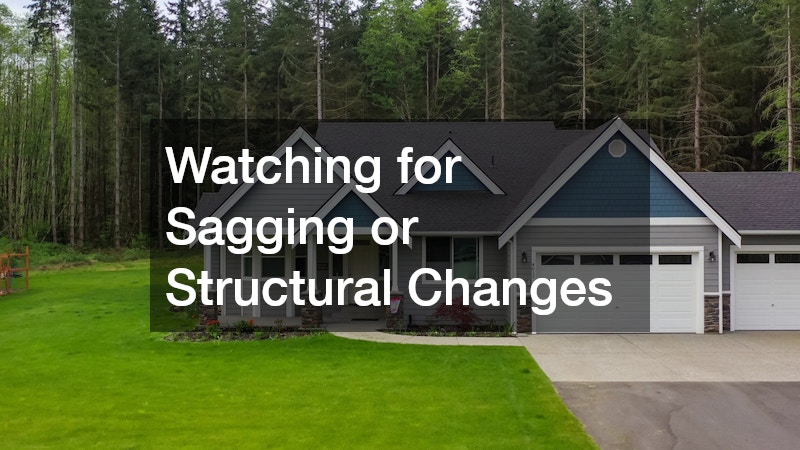
Structural issues with the roof are serious indicators that immediate attention may be required. Sagging areas, uneven rooflines, or visible dips often point to compromised supports or rotting decking. These problems may arise from prolonged water exposure, termite damage, or natural settling of the home’s foundation.
Ignoring sagging can lead to partial collapse, extensive interior damage, and expensive repairs. Roof repair professionals can identify the root causes and recommend reinforcement, replacement, or targeted fixes before the situation becomes hazardous.
Regular visual checks, especially after heavy storms, help homeowners detect structural changes early. Local roofers are skilled at assessing load distribution and ensuring that the roof maintains its structural integrity, protecting both the property and the people living inside.
Inspecting Flashing and Seals
Flashing—the metal strips installed around roof joints, chimneys, and vents—is crucial for preventing water infiltration. Over time, flashing can become loose, corroded, or improperly sealed, leaving small gaps that allow water to penetrate the roof.
Damaged flashing often leads to leaks in areas that may otherwise appear intact, making it a hidden but significant risk factor. Roof repairs in these zones require precision; poorly executed fixes can worsen the problem. Professional local roofing companies can evaluate the condition of flashing and implement repairs that restore complete protection, ensuring that vulnerable areas remain watertight.
Regular inspection of flashing should coincide with seasonal maintenance routines. Local roof repair teams provide detailed assessments and preventive measures that reduce the likelihood of recurring issues and minimize long-term repair costs.
Recognizing Signs of Roof Ventilation Problems
Proper ventilation is essential for the longevity of your roof and for maintaining interior comfort. Poor ventilation can trap heat in the attic, accelerating shingle deterioration, increasing energy costs, and contributing to ice dams in colder climates.
Signs of ventilation problems include uneven roof wear, warped shingles, and condensation in the attic. Correcting ventilation issues early prevents further roof damage and can improve overall home efficiency. Roofing companies have the expertise to evaluate airflow, assess vent placement, and recommend solutions that balance protection with energy efficiency.
Regular maintenance checks by local roofers help detect ventilation-related problems before they escalate, ensuring your roofing system performs optimally year-round.
Checking for Moss, Algae, and Plant Growth
Vegetation on a roof is more than an aesthetic issue; it signals moisture retention and potential accelerated decay. Moss, algae, and other growths retain water, which can compromise shingles and lead to structural damage.
Early intervention is critical to preventing long-term harm. Roof repairs may include vegetation removal, treatment of affected areas, and ensuring proper drainage. Local roof repair services apply specialized treatments that inhibit regrowth and restore the roof’s protective function.
Monitoring plant growth should be part of routine maintenance, especially in shaded or humid regions. Experienced local roofers can identify vulnerable spots and implement preventive strategies that extend the life of your roof.
Observing Gutter and Downspout Conditions
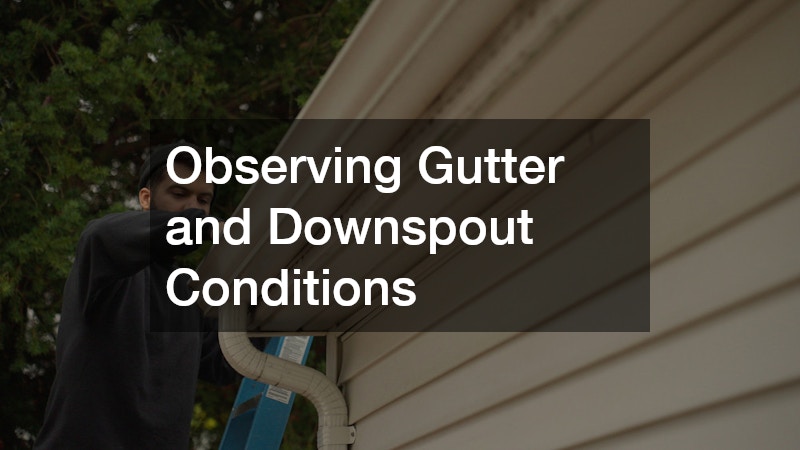
Gutters and downspouts are key for directing water away from your roof and foundation. Clogged or damaged gutters can cause water to pool on the roof, creating leaks, rot, and other structural concerns.
Regular gutter inspections can reveal underlying roof issues. Accumulation of debris or unusual wear patterns may indicate accelerated material shedding from shingles. Local roofing contractors often incorporate gutter checks into roof evaluations, offering a comprehensive picture of your roof’s condition.
Repair interventions may include clearing gutters, reinforcing downspouts, or addressing the root causes of water accumulation. Local roofers ensure these systems function cohesively with your roofing structure, preventing damage and prolonging lifespan.
Paying Attention to Interior Temperature Fluctuations
Unexpected temperature changes inside your home can point to roofing problems. Leaks, poor insulation, or gaps in the roofing structure may allow heat to escape in winter or accumulate in summer, causing discomfort and increasing energy bills.
Roof repair specialists can locate compromised areas and recommend solutions, often combining repairs with insulation improvements. Early intervention reduces energy inefficiency and relieves stress on HVAC systems. Local roof repair services provide targeted solutions that restore comfort and efficiency throughout the home.
Monitoring interior temperature fluctuations is a subtle but effective method to detect issues before they become visible, saving both money and time.
Considering Seasonal and Weather Impacts
Severe weather can accelerate roof deterioration. Hail, heavy rain, snow, and strong winds may worsen existing damage or create new vulnerabilities. Post-storm inspections are critical for detecting missing shingles, dents, or punctures.
Professional roofing contractors offer assessments to ensure minor issues do not escalate into significant repairs. Prompt roof repair reduces the risk of leaks and structural compromise. Local roofers often provide emergency services during high-risk weather periods, offering timely and effective intervention.
Regular seasonal inspections help homeowners anticipate weather-related wear and maintain a protective barrier, safeguarding both the home and its occupants.
Seeking Professional Evaluations
Even without obvious damage, periodic inspections with professional roofing companies are a wise strategy. Experienced contractors can identify subtle signs of wear that homeowners might overlook, offer maintenance recommendations tailored to your specific roof type, and carry out precise repairs that prevent minor issues from escalating.
Engaging local roof repair experts ensures evaluations are timely and repairs comply with local codes and material standards. Proactive inspections help detect hidden leaks, deteriorating shingles, and ventilation issues before they become costly problems, minimizing the likelihood of unexpected emergencies and maximizing your roof’s lifespan. Roofing contractors can also advise on replacement options, warranty considerations, and cost-effective solutions that address both immediate needs and long-term durability.
Weighing Repair vs. Replacement Decisions
Sometimes, roof damage reaches a stage where repair is no longer practical. Age, material condition, and extent of damage all influence the decision to repair or replace.
A local roofing company can provide thorough assessments, including a detailed cost-benefit analysis for repair versus replacement. Their guidance ensures informed decisions that balance durability, budget, and long-term home protection. Proper planning avoids repeated minor repairs that may ultimately cost more in the long run and ensures that any investment in your roof provides maximum value and peace of mind.
Prioritizing Preventive Maintenance
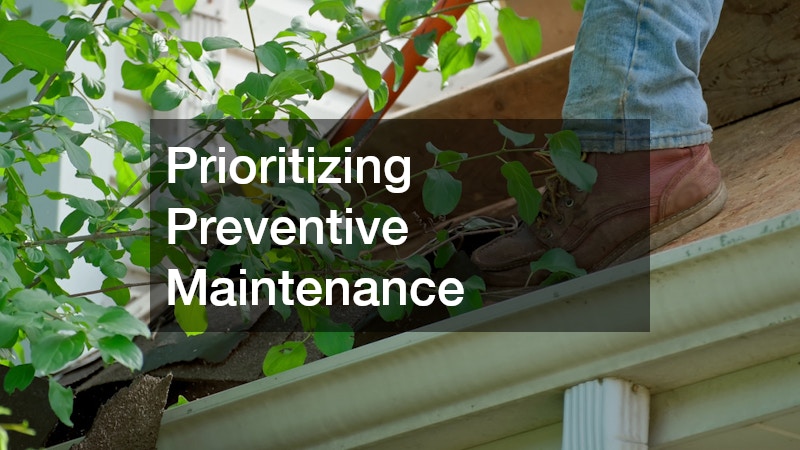
Preventive maintenance is the most effective method for avoiding costly emergencies. Simple measures like annual inspections, timely gutter cleaning, and trimming overhanging trees can significantly extend roof life.
Local roofers can create maintenance schedules tailored to your home’s roofing type, climate, and risk factors. Consistent attention ensures early detection of problems, reducing repair costs and inconvenience. Prioritizing preventive maintenance protects both your investment and your peace of mind.
Recognizing the signs that indicate roof repair is necessary saves time, money, and stress. From visible damage to subtle interior changes, early detection allows homeowners to address issues before they escalate.
Partnering with reputable local roof repair services ensures inspections are thorough, repairs are effective, and your home remains protected. Investing in preventive measures, professional evaluations, and timely interventions is key to maintaining a safe, durable, and efficient roofing system.
Taking a proactive approach today avoids the urgency and expense of emergency repairs tomorrow. Roof care is an ongoing responsibility, and informed homeowners benefit from long-term advantages, including enhanced property value, energy efficiency, and peace of mind. With consistent attention and professional support, your roof can remain a reliable shield over your home for decades.